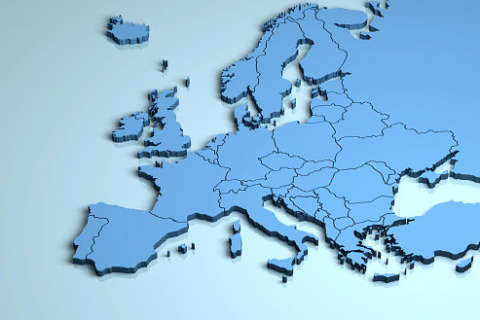
PAPHOS, Cyprus (AP) — Improving transportation links, ending energy isolation and building more homes are some of the key initiatives the European Union’s executive arm is looking to enact under a pair of first-ever strategies designed to help the bloc’s islands and coastal communities flourish, EU officials said Friday.
Some 17 million people live in more than 4,000 islands across the EU, including three island members – , and . Another 95 million live along the coasts of 22 member states.
“Islands have been overlooked in the past, but now that comes to an end,� European Parliament Vice President Younous Omarjee told a conference on strengthening EU islands and coastal communities.
The strategies aim to do away with piecemeal approaches to overcoming the unique challenges that islands and coastal communities face, offering a comprehensive approach, said Raffaele Fitto, European Commission executive vice president for cohesion and reforms.
Given their distance from mainland markets and dependence on air and maritime connections, the costs for transport, housing and public services are much higher on islands than on the mainland.
“This is what we call the cost of insularity — a cost that millions of EU citizens and businesses pay every day, simply because of where they live and work,� Fitto said.
The strategy on islands is built around four pillars that aim to improve transportation links and digital infrastructure, tackle the effects of climate change and energy needs, address shrinking populations and housing shortages, and bolster security and crisis preparedness.
“From the Baltic to the Mediterranean, islands are on the front line of geopolitical challenges,� said Fitto.
There are currently no details on specific projects that will receive funding. That will come from member states themselves who will forward proposals once the bloc’s new budget is unveiled. Fitto said projects such as desalination plants and housing will be among the priorities.
Fisheries Oceans Commissioner Costas Kadis said EU coastal communities contribute some 265 billion euros ($302 billion) annually to the bloc’s budget but are also under strain from climate change, demographic decline, lack of affordable housing and difficult access to services.
The strategy on coastal communities aims to make them less reliant on a single source of revenue by diversifying economic activity and creating new jobs. Kadis said among the strategy’s proposals is a blue carbon credit program that would fund carbon-absorbing coastal wetlands, marshes and mangroves.
Other proposals include the OceanEye project that would make the EU a leader in ocean observation and research as well as promoting dual-use technologies and vessels that could be used for both fishing and tourism.
The strategy also aims to make coastal communities more resilient to and extreme weather events through investments in collaboration with the European Investment Bank.
Copyright © 2026 The Associated Press. All rights reserved. This material may not be published, broadcast, written or redistributed.